Mock trials & jury research for trial attorneys
Hear your case the way a jury will, before you’re in front of one.
We recruit people who match your venue, show them your case, and listen as they deliberate. You watch it happen, then get a clear written account of what persuaded them, what lost them, and why.
A note before you call
Most attorneys I talk to know their case better than anyone. That’s exactly what makes it hard to hear it fresh. After months inside a file, every fact connects. A juror hears it once, in one sitting, with no context.
A mock trial closes that gap. Real people from your community hear your case cold, argue about it out loud, and tell you where they got stuck. It’s often not where you expected.
I don’t sell predictions. I show you how ordinary people reason about your case, so you can decide what to fix while there’s still time.
I’ve spent my career as a researcher, including years as a UX researcher at Intuit, studying how people make decisions when the stakes are high and the information is confusing. My rule there was that the team watched every session live, because hearing it firsthand changes how you see the problem. Mock trials work the same way.
Jaime Kornick
How a study works
Four steps, planned around your trial date.
-
We start with your question.
A short call about the case, your trial date, and what you most need to learn: the overall story, a key witness, damages, or a single exhibit. Nothing privileged is needed for this first conversation.
-
We recruit jurors for your venue.
We screen participants against criteria we agree on together, to resemble the people likely to be called in your venue. Anyone with a connection to the parties, counsel, or the subject of the case is screened out, and every participant signs a confidentiality agreement.
-
They hear the case and deliberate.
Your team, or ours, presents both sides. Jurors fill out questionnaires, then deliberate in small groups. You can watch live from a separate room or remotely, and we follow up with neutral questions that ask why, without steering the answer.
-
You get findings you can use.
A written report and a debrief with your trial team: what persuaded, where doubts started, which witnesses held up, and what to change in your story, exhibits, or voir dire.
What you receive
More than a vote count.
The verdict tally is the least useful part. What matters is the reasoning: which facts people repeated to each other, where they misread the evidence, and what would have changed their minds.
- Written report organized around the questions you brought to us
- Juror questionnaires, before and after deliberation
- Recordings and key quotes from deliberation
- Debrief call with your trial team to work through what it means
Findings reportPage 4
Harlow v. Brightline Freight
2. Where doubt began
Four of five groups returned to the maintenance log within the first ten minutes. Jurors who doubted the defense did not dispute the testimony; they asked why the log was missing.
“If they serviced the truck every month, where’s the paperwork?”Juror 7, Group B
Recommendation
Address the missing log in opening, before plaintiff’s counsel does. Jurors who heard the explanation first were less likely to treat it as concealment.
From a client
“Undercover Verdict helped us see the case through the eyes of real people, not just attorneys. The mock jury revealed how people understood the plaintiff’s injuries, which parts of his experience felt most compelling, where they still had doubts, and how they approached damages. That perspective gave us practical insight into how to tell the human story of the case more clearly.”
Ways to work together
Test the whole case, or just the part keeping you up at night.
- Full mock trial
- Both sides presented, jurors deliberate to a verdict. Best when the overall story is in question.
- Focus group
- A shorter session on a specific issue: liability, damages, or a theme you’re weighing.
- Online mock trial
- The same research, run remotely. Useful when timing is tight or your venue is far away.
- Witness and exhibit testing
- How a witness comes across, and whether a demonstrative clarifies or confuses.
- Venue research and jury selection support
- Community attitude surveys and help preparing voir dire questions for your venue.
- Shadow juries and post-trial interviews
- An outside read during trial, or the reasoning behind a verdict afterward, subject to court rules and permission.
Confidentiality
Your case stays your case.
- We sign your NDA, or provide ours, before you share any case materials.
- Participants sign confidentiality agreements and never learn who hired us.
- We work at the direction of counsel. Your firm decides how privilege and work-product protections apply.
- We never contact actual jurors without court permission and in line with applicable ethics rules.
- We won’t tell you a study predicts your verdict. No study can. It shows you how people think about your case.
About
A small practice, on purpose.
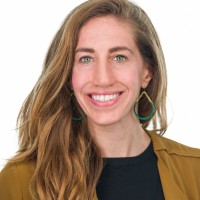
Undercover Verdict is run by Jaime Kornick. Every study is designed, moderated and written up by the same person you speak with on the first call. Nothing gets handed off to a junior team you never meet.
Before founding Undercover Verdict, Jaime was a UX researcher at Intuit, where colleagues knew her for her grounding in behavioral economics and for bringing teams into live research sessions. She has also run qualitative research for consumer brands and startups. Her focus is the same in every room: listen closely, ask neutral questions, and find the reasoning underneath the answer.
She is based in San Diego and works with trial teams in person in Southern California and online anywhere.
Questions attorneys ask
Before we talk.
When should we bring you in?
When there’s still time to act on what you learn. Early research can test the overall story; a focused study can address a specific witness or exhibit closer to trial. Tell me your trial date and we’ll work out what’s realistic.
How are jurors recruited?
We agree on the criteria together, then screen participants to fit your venue and your questions. A mock panel resembles the people likely to be called. It isn’t a promise of the jury you’ll get.
Can you work outside our area, or remotely?
Yes. Online mock trials are available, and we’ll talk through whether in-person or remote research fits your venue and your timeline.
What does it cost, and how long does it take?
It depends on the number of jurors, session length and how deep the report goes. After our first call, I’ll send a written proposal with dates and a fixed price before anything is booked.
How do you handle confidential materials?
Keep the first conversation high level. Before you share anything sensitive, we agree on confidentiality terms, participant NDAs and how documents are handled. Your firm decides how privilege and work-product protections apply.
Will this predict our verdict?
No, and be wary of anyone who says it will. What a study gives you is the reasoning: where people agree, where they split, and what moves them. That’s what you can use.
Contact
Tell me about your case.
Send a few lines: the case type, your venue, your trial date, and what you’re most unsure about. I’ll reply within one business day to set up a call. Please don’t include privileged details yet.
Email Jaime Jaime@undercoverinsights.com